How to Find the Best DFW Roofer for Your Home or Business
Why Roofing Choices Matter in North Texas
Living in the Dallas-Fort Worth area means dealing with a climate that tests every roof. Scorching summers, sudden hailstorms, and the occasional ice event can turn a small issue into a major problem fast. Over the years, I have seen too many property owners pick a roofing contractor based on price alone, only to face leaks or blown-off shingles a season later. Finding the Best DFW Roofer is not just about getting the job done. It is about getting a roof that stands up to the weather and lasts.
North Texas has its own set of building challenges. The expansive clay soil shifts under foundations, and the wind can rip through neighborhoods like a freight train. A roof that works in the Pacific Northwest or the Midwest may not hold up here. That is why local experience matters more than a national brand name. When you search for the Best DFW Roofer, you want someone who knows how to handle hail damage on asphalt shingles, how to flash a flat roof for our heavy rains, and how to install metal roofing so it does not rattle in a thunderstorm.
What Sets a Great Roofer Apart
I have worked with dozens of roofers over my career, both on my own house and for clients. The good ones share a few traits that are easy to overlook when you are just getting bids. First, they talk about materials like they care about them. They can explain why GAF shingles perform differently than Owens Corning or CertainTeed on a steep slope, or why a particular underlayment works better for a low-slope flat roof. They do not just push whatever is on sale that week.
Second, they show up to look at the job before giving a quote. A roofer who bids over the phone or from a satellite photo is guessing. A real pro climbs up, checks the decking, looks at the flashing, and asks about past leaks. That kind of inspection catches problems before they become emergencies. It also means the quote will be more accurate, which saves you from change orders later.
Third, they stand behind their work with a solid roofing warranty. But here is the catch: a warranty is only as good as the company backing it. If the roofer goes out of business in two years, that 30-year material warranty from the manufacturer does not cover labor. The best roofers in North Texas have been around for a while and have a track record you can verify. They also use top-tier materials from brands like GAF, Owens Corning, and CertainTeed, which have their own long histories of reliability.
Residential vs. Commercial Roofing
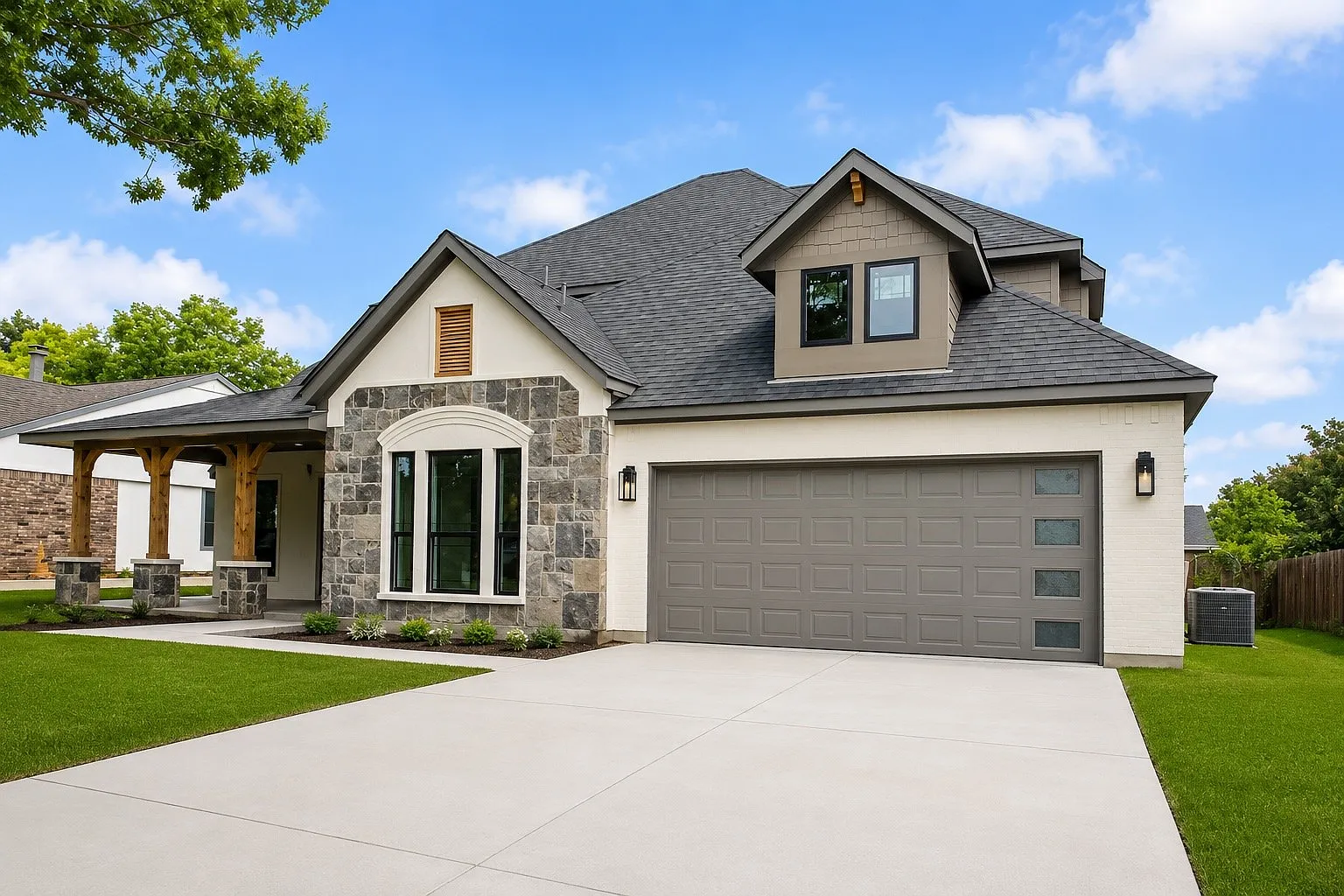
The needs of a home are different from those of a warehouse or office building. Residential roofing usually involves asphalt shingles, tile, or metal roofing on a pitched roof. The look matters, and the job often includes details like valleys, chimneys, and skylights that require careful flashing. A good residential roofer treats those details with the same care they give the main field of shingles.
Commercial roofing, on the other hand, often means flat roof or low-slope systems. These roofs use materials like modified bitumen, TPO, or PVC, and the skill lies in the seams and the drainage. A small mistake in a flat roof installation can lead to ponding water and a roof leak that is hard to find. I have seen commercial buildings where the roof looked fine from the ground but had standing water because the contractor did not slope the insulation correctly. That is why hiring a roofer who specializes in the type of roof you have is critical.
Storm Damage and Roof Repair
If you have lived in Dallas-Fort Worth for more than a year, you have probably dealt with storm damage. Hail can bruise asphalt shingles so they lose their granules, which shortens their life. Wind can lift shingles or tear flashing loose. Even a small roof leak from a storm can lead to mold and rot if it is not fixed quickly.
When storm damage happens, the temptation is to call the first roofer who answers the phone. But that is exactly when you need to slow down. Emergency repairs are often temporary, and some contractors will sell you a whole new roof when a patch or a partial replacement would do. A trustworthy roofing contractor will tell you what is urgent and what can wait. They will also work with your insurance company to document the damage properly, which helps with claims.
I always recommend asking about the materials they plan to use for repairs. If your existing roof is CertainTeed shingles, for example, mixing in a different brand can void the warranty and create a mismatch in color and performance. A good roofer will match the product or explain why a change is better.
Energy-Efficient Roofing Options
North Texas summers are brutal on cooling bills. Energy-efficient roofing can make a real difference, especially on flat roofs where the sun beats down all day. Cool-roof coatings, reflective shingles, and properly installed insulation all help keep the building cooler. Some metal roofing systems are designed with reflective pigments that reduce heat gain. Even on a residential roof, choosing light-colored asphalt shingles or tile can lower attic temperatures by several degrees.
But energy efficiency is not just about the surface. It is also about ventilation and insulation. A roofer who understands whole-building performance will check that your attic has enough airflow and that the insulation is not compressed. Those details matter more than the color of the shingles. When you talk to a potential roofer, ask what they do to improve energy performance beyond just the roofing material. The answer will tell you a lot about their expertise.
Warranties and What They Cover
A roofing warranty can be confusing. There are manufacturer warranties that cover defects in the shingles or metal panels themselves. Then there are workmanship warranties from the installer. Some contractors offer a combined warranty that covers both. The key is to read the fine print. Does the warranty cover labor for repairs? Does it require annual inspections to stay valid? Is it transferable if you sell the house?
I have seen homeowners assume they are covered for a roof leak, only to find out the warranty only applies to the original installation and not to damage from a storm or a tree branch. The best roofers are upfront about these limits. They will walk you through the warranty terms before you sign, and they will give you written documentation. If a roofer is vague about what is covered, that is a red flag.
Why Local Knowledge Matters
The Best DFW Roofer for your project is someone who understands the local building codes, the typical wind loads, and the common failure points in North Texas homes. They know which shingles hold up best in our heat and which metal roofing profiles resist hail dents. They also have relationships with local suppliers, which means they can get materials quickly when you need a repair after a storm.
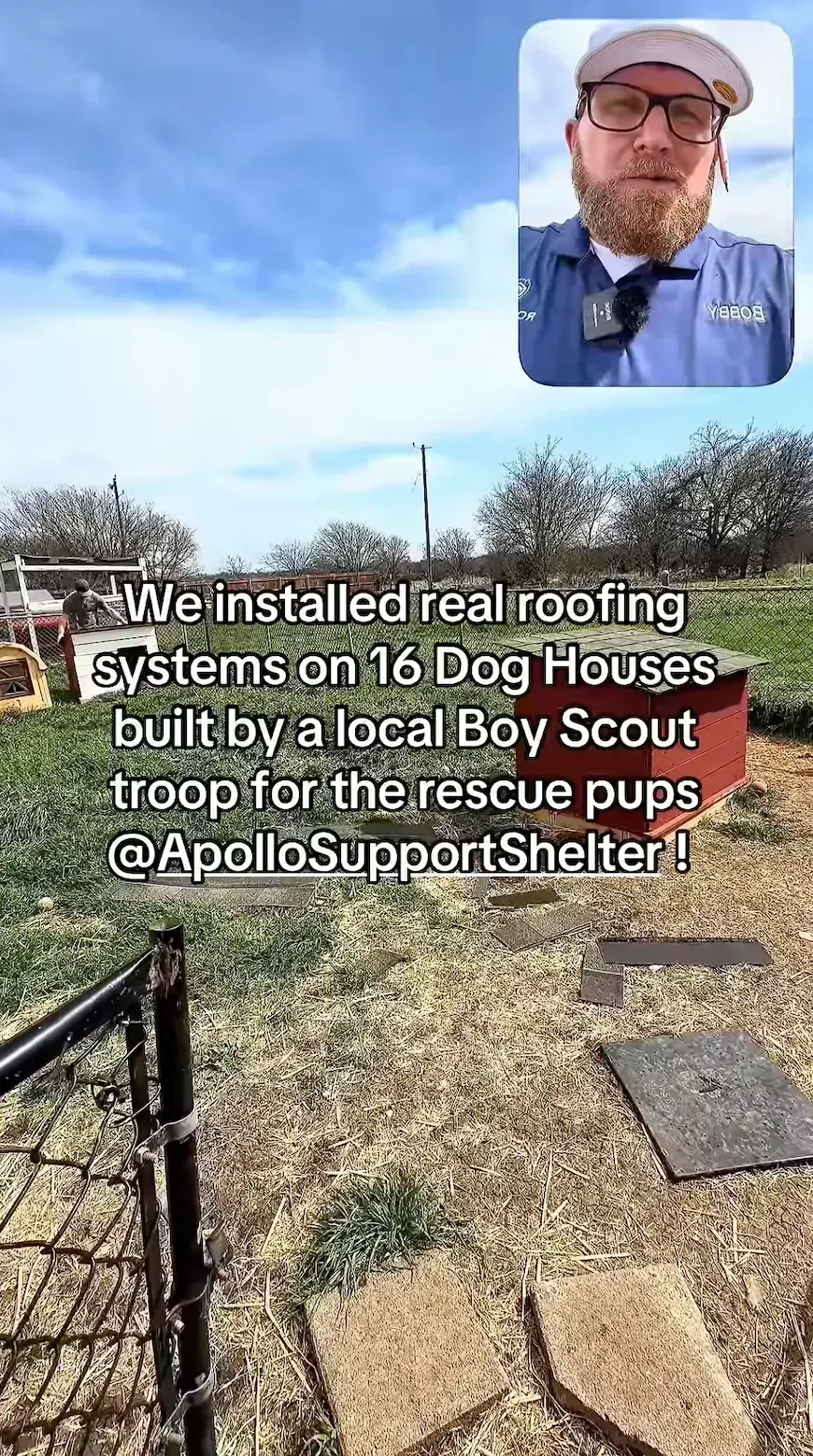
Beyond the technical side, a local roofer is part of the community. Some, like RoofDog, even give back by donating a portion of their profits to dog rescue. That kind of connection shows they care about more than just the paycheck. It also means they are likely to be around next year if you have a warranty issue.
When you are comparing contractors, ask for references from jobs they did in your neighborhood. A roofer who has worked on houses built in the same era as yours will know what to expect inside the walls and under the decking. That experience saves time and reduces surprises.
Questions to Ask Before You Hire
Before you commit to a roofing contractor, here are a few things to cover in the conversation:

- What materials do you recommend for my roof, and why?
- Can you provide proof of insurance and a list of recent local references?
- How do you handle unexpected issues like rotten decking or hidden leaks?
- What is the timeline for completion, and how do you manage weather delays?
- Do you handle the permit process, or is that my responsibility?
The answers will separate the pros from the amateurs. A confident roofer will answer clearly and provide documentation. Someone who hesitates or gives vague answers is likely hiding something.
Making the Final Decision
Choosing the Best DFW Roofer is a decision that affects the safety and value of your property. It is worth taking the time to vet candidates thoroughly. Look for a contractor who listens to your concerns, explains their reasoning, and offers a fair price for quality work. Do not let a low bid tempt you into a bad job. A cheap roof can cost you double in repairs and energy bills within a few years.
North Texas weather does not forgive shortcuts. Whether you need a full roof installation on a new home, a repair after a storm, or an upgrade to energy-efficient roofing, the right roofer makes all the difference. Keep an eye out for contractors who combine technical skill with honest communication. That combination is rarer than you might think, but it is exactly what you need to protect your home or business for the long haul.